Why those most at risk of COVID-19 are least likely to respond to a vaccine
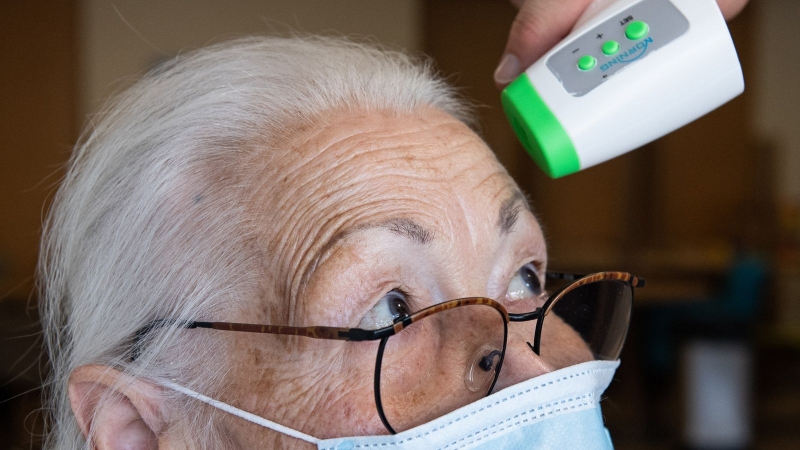 A July 17 analysis of more than 50,000 coronavirus deaths in the U.S. found that 80 percent were people 65 or older. Second, the ageing thymus may also complicate vaccine development for the pandemic. Vaccines provide instructions for our immune system, which T-cells help pass along. By age 40 or 50, the thymus has exhausted most of its reserve of the kind of T-cells that can learn to recognise unfamiliar pathogens—and ‘train’ other immune cells to fight them. Many vaccines rely on such T-cells. Because of COVID-19, researchers are having to pay more attention than ever to how vaccines perform in older people. Moderna Therapeutics, for example, which published the first results this week from the phase-one trial of its novel mRNA vaccine, is running a phase two trial specifically for adults aged 55 and older.
View the full story here: https://www.nationalgeographic.co.uk/science-and-technology/2020/07/why-those-most-at-risk-of-covid-19-are-least-likely-to-respond-to-a